Costs & Who to Call
Who Removes Dead Animals in Melbourne? Council, Wildlife Groups or a Removalist

Who removes dead animals in Melbourne depends on two things: where the animal is and what kind of animal it is. Your local council usually handles dead animals on local roads, footpaths and council land; the state road authority deals with freeways and main arterial roads; and anything on private property, including inside your roof, walls or yard, is generally up to the property owner, who can arrange a private removalist. Wildlife Victoria is the call for injured wildlife and for checking a dead kangaroo or wallaby for a joey.
That split surprises a lot of people, so this guide sets out each situation, who to contact, and what to tell them. If it turns out the job is yours, our Melbourne dead animal removal service can come to you.
Who removes dead animals: a quick guide by location
| Where the animal is | Who usually handles it |
|---|---|
| Local street, footpath, nature strip, park or reserve | Your local council |
| Freeway or main arterial road | The Department of Transport and Planning |
| Your yard, driveway, pool, shed or garden | You, the property owner (or a removalist) |
| Roof, ceiling, wall cavity, subfloor or ducting | You, the property owner (or a removalist) |
| Rented home | Usually the landlord, via the agent |
| Injured native animal, or a dead marsupial that may have a joey | Wildlife Victoria, (03) 8400 7300 |
| Several dead birds or livestock with no clear cause | Emergency Animal Disease Watch Hotline, 1800 675 888 |
| Dead stock on a farm | The owner: burial, knackery or renderer, or a carcass removalist |
Rules and services do vary between councils, so treat this as a starting point and check with your own council for anything on public land.
Public land: council and the state road authority
If you spot a dead animal on a local road, footpath or in a park, report it to the council that looks after that area. Most Melbourne councils have an online form or a customer service line for this. Give them the nearest street address or intersection, which side of the road, and what the animal is.
On a freeway or main arterial road, the responsibility sits with the Department of Transport and Planning instead. Please don't stop on a busy road to move an animal yourself; it isn't worth the risk.
If the animal is a cat or dog, mention that when you report it. Some councils scan found pets for a microchip so the owner can be told, which matters a great deal to a family wondering where their pet went. Our guide on finding a dead cat or dog on the street covers that situation gently and in more detail.
Private property: it's generally up to the owner
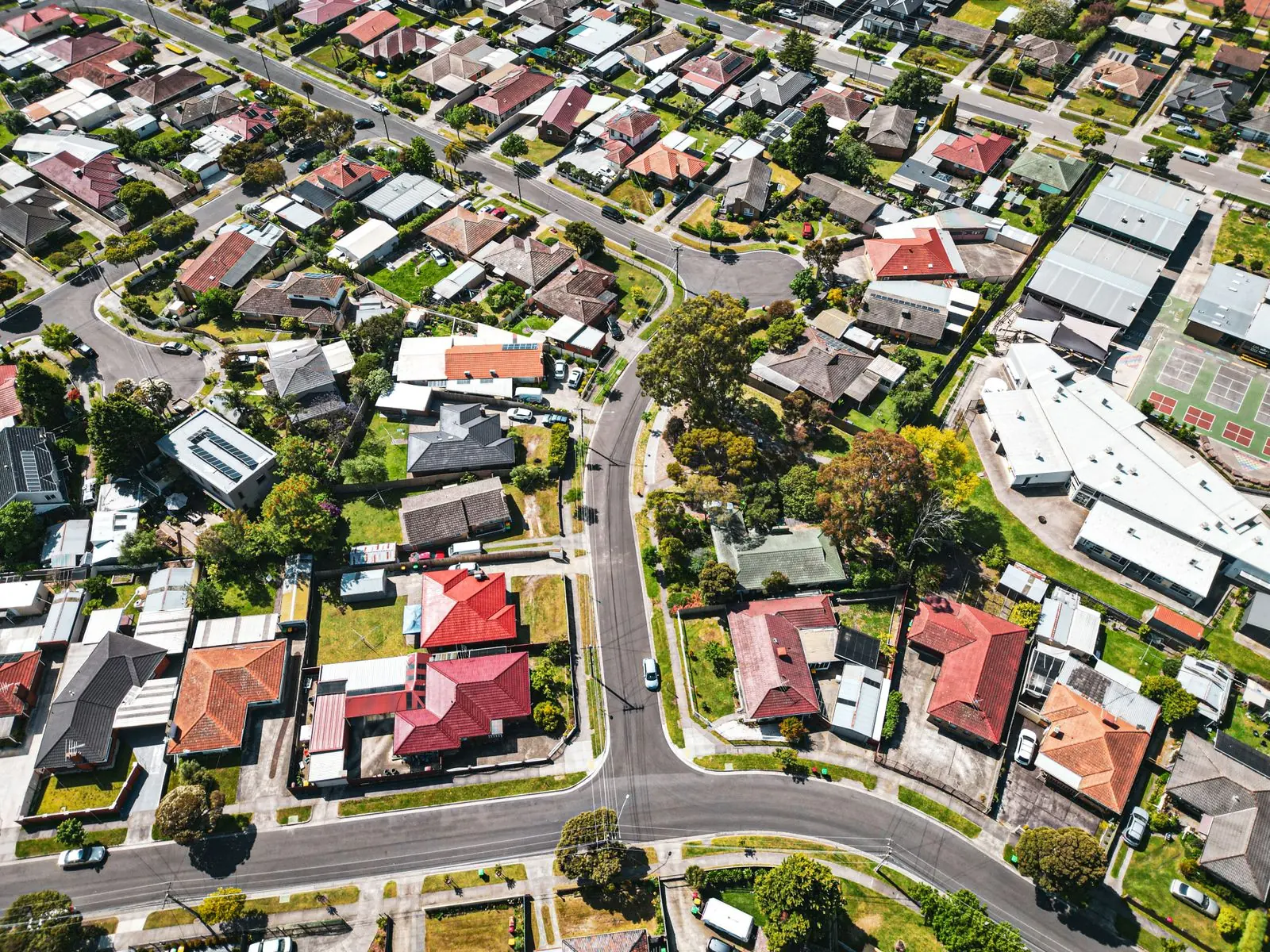
This is the part that catches people out. Most councils do not collect dead animals from private property. If a possum dies in your roof, a rat dies behind the kitchen wall, or a bird drowns in your pool, the property owner deals with it. We look at the council side more closely in will the council remove a dead animal from my property.
Your options are:
- Do it yourself if the animal is small, visible and easy to reach.
- Call a dead animal removalist if it's hidden, large, badly decomposed or you simply can't face it.
- Ask a pest controller if the main problem is an ongoing rodent infestation, then have the carcass dealt with as a separate job. Our comparison of a pest controller versus a dead animal removalist explains the difference.
If you rent
Tell your agent or landlord as soon as you notice a dead animal smell or see the animal. Hidden carcasses in roofs and walls are usually a building matter rather than something a tenant should be paying for, but report it in writing so there's a record.
Wildlife: when to call Wildlife Victoria
Wildlife Victoria, on (03) 8400 7300, helps with injured native animals. They're also who to ring if you find a dead female kangaroo, wallaby or wombat, because there may be a living joey in the pouch. Joeys can survive for days after the mother dies. Don't try to pull a joey off the teat; call and follow their advice.
Wildlife Victoria is a rescue service, not a carcass collection service. Once any joey has been checked for, removing the body is still a job for the landowner, the council (on public land) or a removalist. Our guide to a dead kangaroo or wallaby on your property covers that process from start to finish.
Native animals such as possums, kangaroos and most birds are protected under Victoria's Wildlife Act 1975. Removing a dead one for disposal is normal and expected. Keeping parts of native wildlife is not allowed.
Unusual deaths: when to report rather than remove
If you find several dead birds together, or a number of livestock die without an obvious reason, don't touch them. Call the Emergency Animal Disease Watch Hotline on 1800 675 888. Victoria has had avian influenza outbreaks in poultry, and early reports help authorities work out whether there's a wider problem. Our guide on what to do when you find a dead bird explains when one bird is just one bird and when it's worth a call.
Farms, pets and larger animals
On rural and semi-rural properties, dead stock is the owner's responsibility. Agriculture Victoria publishes guidance on safe disposal of dead stock, including burial away from waterways, bores and houses, and using knackeries or renderers. Councils may also have their own rules. If burial isn't practical, a large-animal carcass removalist is another option.
When a family pet dies, the most common choices are cremation through your vet or a pet crematorium, or backyard burial where your council allows it. Some people prefer to have the pet collected and handled respectfully by someone else, especially if the death was sudden or the pet died in a hard-to-reach spot.
What to have ready when you call anyone
- The exact location: address, nearest cross street, or which part of the house.
- What the animal is, or your best guess.
- Roughly how long it's been there.
- Whether it's a hazard: on a road, near children, in water, attracting flies.
- For marsupials, whether it's female and whether you've seen movement in the pouch.
Need it gone today? If the animal is on your property, in your roof or under the floor, it's a job for us rather than the council, and we can often come the same day. Call (03) 9125 4024 or send us a message.